Preserving Our Past: Benefits of Using Digital Twins and IoT Devices
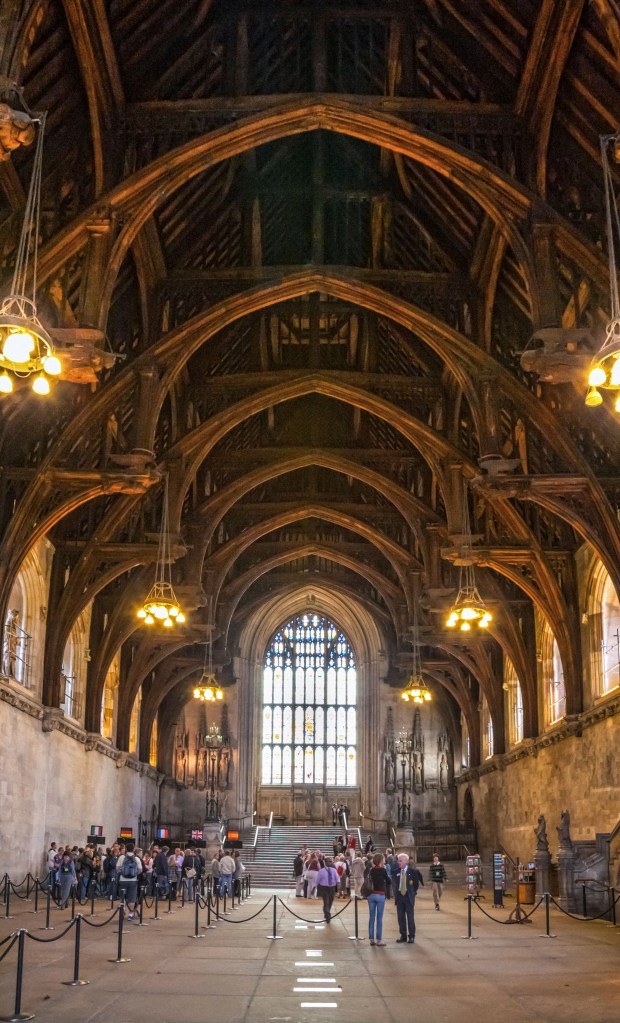
Historic buildings hold great value. They are monuments to our past, symbols of our heritage. To preserve them is to preserve a piece of who we are, of where we came from. But it’s not just about what they represent. These structures, with their intricate details and unique features, are works of art in their own right. They deserve to be protected and maintained.
Preserving historic buildings can be a challenge, however. Modernizing these structures is necessary for their survival, but doing so without sacrificing their original character is key. BIM, or building information modeling, can aid in this effort. BIM provides a comprehensive view of the building, aiding in planning, coordination, and control of projects.
But adopting BIM in historic buildings is not without obstacles. Balancing preservation with modernization is a delicate task. BIM models can be complex and costly to implement. Investment in technology, training, and resources is required.
Enter digital twins and IoT devices. These modern tools have the potential to revolutionize the way we preserve our heritage. They offer a way to balance preservation with modernization, to improve energy efficiency, to enhance the visitor experience, and to improve building maintenance.
Digital twins are virtual models of physical assets, like buildings, allowing for real-time monitoring and management. IoT devices gather data from the building and provide information on its condition and performance. Integrating these devices with a digital twin creates a powerful tool for decision-making and planning, as well as improved building operations and maintenance.
Take energy efficiency, for example. IoT devices can monitor energy usage in real-time, leading to effective energy management and optimization. Digital twins can perform energy simulations, identifying energy-saving opportunities and optimizing energy systems.
Visitor experience is another area where digital twins and IoT devices can make a difference. IoT devices can create virtual tours, giving visitors access to areas not normally available or under preservation. Real-time information and audio guides enhance the experience and educate visitors on the building’s history.
Maintenance is also improved with the use of digital twins and IoT devices. Real-time data on the building’s condition allows for proactive maintenance and reduces the risk of system failures. Digital twins can optimize maintenance schedules and plans, leading to more efficient building management.
In short, digital twins and IoT devices offer a solution for the future of preserving our heritage. Overcoming the obstacles will require investment and effort. But the potential benefits make it worth it.
They are more than just structures. They are a part of who we are, where we came from. To preserve them is to preserve a piece of our heritage, our identity. The use of digital twins and IoT devices is a step towards ensuring their survival, towards ensuring that future generations can appreciate and learn from them.
by Maria Bines
 Net Zero Heritage